WHAT ARE WE DOING?
Add Value to the Future: Solutions for an Efficient, Sustainable and Carbon-Free World...
In today's world, efficiency, sustainability and low carbon footprint are no longer a choice but a necessity for businesses. We evaluate the environmental impact of your products and services with Life Cycle Analysis and minimize waste and energy consumption with our Resource Efficiency and Sustainable Production solutions. With Carbon Footprint Analysis and Mitigation Strategies, we make your business more environmentally friendly and competitive.
Take a step to build a sustainable future. Meet our team of experts and discover ways to reduce your environmental impact and make your business processes more efficient...
Resource Efficiency and Sustainable Production
Resource efficiency (energy, water and raw materials) and sustainable production aim to minimize environmental impacts and create economic value by using natural resources in the most effective way. Approaches that reduce consumption in all processes from raw materials to energy, adopt circular economy principles and optimize production processes with innovative technologies both increase the competitiveness of businesses and ensure a more livable world for future generations. This understanding makes it possible for economic growth and environmental responsibility to proceed in harmony.
Resource efficiency studies/guidelines can be conducted on a sectoral basis and Best Available Techniques that can be applied sectorally for enterprises can be identified.


Carbon Footprint Calculation and Mitigation Strategies
Carbon footprint analysis is a method that assesses the environmental impact of an individual, business or product by measuring its greenhouse gas emissions over its entire life cycle. This analysis identifies emission sources by taking into account factors such as energy consumption, production processes, logistics and waste management. Strategies such as the use of renewable energy, energy efficiency measures, sustainable supply chain management and waste recycling can be implemented to reduce the carbon footprint. These approaches both support environmental sustainability and provide cost savings in the long term.
Corporate carbon footprint studies can be carried out according to ISO14064-1 standards, and according to the carbon footprint inventory; emission reduction strategies roadmap can be determined.
Circular Economy Studies
Traditional production and consumption models lead to the rapid depletion of available resources and the generation of large amounts of waste. Today, circular economy principles are applied to prevent the depletion of natural resources and minimize the amount of waste. This model offers a sustainable system that recycles waste back into the process. As part of our circular economy efforts, we analyze the waste management processes of businesses and develop recycling and reuse strategies. By offering solutions that increase resource efficiency at every stage from production to consumption, we ensure that waste is recycled back into the economy. In this way, businesses not only minimize their environmental impact but also transition to a more sustainable and cost-effective production model.

Environmental Impact Analysis - Life Cycle Analysis (LCA)
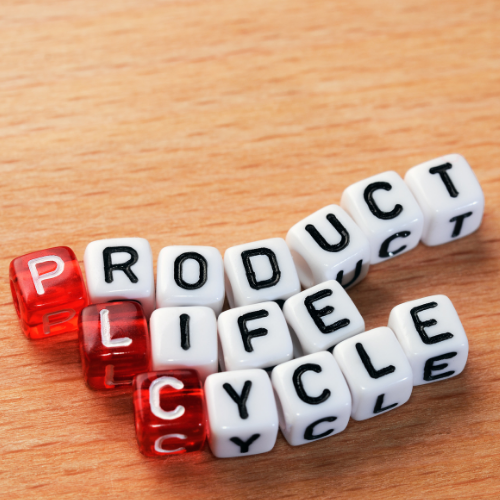
Life Cycle Assessment (LCA) is a comprehensive method that measures the environmental impact of a product or service by evaluating all stages from raw materials to recycling. It helps develop sustainable and efficient solutions by analyzing factors such as energy consumption, carbon footprint and waste management in the production, transportation, use and disposal processes. GCA guides businesses in reducing their environmental impact and is one of the cornerstones of green production strategies.
According to ISO14040 and ISO14044 standards, environmental impact analysis can be performed by performing Life Cycle Analysis of a product. In addition, according to the ISO 14067 standard, the carbon footprint is determined on a product basis according to the functional unit determined using the Life Cycle analysis method.
Carbon Disclosure Project (CDP)
The Carbon Disclosure Project (CDP) is a global platform that enables companies to transparently report their risks and opportunities related to environmental issues such as climate change, water security and deforestation. CDP is an important tool for organizations to measure, manage and share their environmental impacts with investors, and plays a critical role in linking sustainability performance with financial value.
CDP reporting and achieving high scores offer significant strategic advantages for companies. The leadership level strengthens corporate reputation, increases investor confidence and provides a competitive advantage in the field of sustainability by making companies' commitment and performance on environmental sustainability visible on an international scale. Due to all these advantages, it is recommended that companies report to CDP.


Science Based Targets Initiative ( SBTi)
The Science Based Targets Initiative (SBTi) is a global initiative that enables companies to reduce greenhouse gas emissions in line with climate science. By setting SBTi-approved targets, organizations make a tangible contribution to the goal of limiting global warming to 1.5°C, while increasing their resilience to climate risks.
Setting and implementing science-based targets enables companies to better understand and effectively manage the risks from climate change. They also make it easier for companies to proactively adapt to changes in public policy, helping to protect their long-term value.
Corporate Sustainability Reporting
Corporate sustainability reporting is an approach that increases a company's accountability to its stakeholders by transparently revealing its performance in environmental, social and governance (ESG) areas. This reporting process takes into account many elements such as resource use, emissions, employee rights, ethical management, social contributions and is structured in line with the organization's sustainability strategies.
Reporting studies are carried out in accordance with the Turkish Sustainability Reporting Standards (TSRS1 (General Principles), TSRS2 (Climate-Related Information), GRI (Global Reporting Initiative), etc. Sustainability reports measure the company's environmental and social impacts, as well as revealing risks and opportunities related to climate change. In this way, both legal compliance is ensured and effective communication is established with investors, customers and other stakeholders.